Friday, October 20, 2023

Early Detection Alert: The Risk of Being "Too Young for a Mammogram"


A major concern is the presence of breast cancer in underserved communities, including those TOO YOUNG FOR A MAMMOGRAM.  Whereby the medical community touts the recommended (and legal/billable status) of getting a mammo scan should be between 40-50, what happens to the many women who do not fit this age criteria?  How would they even know to get checked without the support of their clinicians or an alarm from family history?

Decades into the battle against breast cancer, clinicians and the public are much more educated about EARLY DETECTION, PREVENTION and the current protocols and modalities available to save lives.  Recent headlines on DENSE BREAST and the advancements in ULTRASOUND SCANNING supports a major part of this battle.


WHAT ABOUT IF YOU'RE TOO YOUNG FOR A MAMMOGRAM?   I went to my doctor for a lump I felt in my breast and she gave me a response that set off red flags: "don't worry about it". Being a researcher involved in breast density and breast cancer, I knew that I had to take action; I was fortunate enough to have my breast ultrasound training with Dr. Robert Bard (cancer imaging specialist, NYC) upcoming in the next week. Dr. Bard showed me how to use the ultrasound to help me find two benign tumors in my breasts, and it was there that he reported that I have dense breasts. Had I not taken action in getting screened at the young age of 22, I would have never known that I should be getting screened via ultrasound every 6 months (because having dense breasts puts me at a higher risk for breast cancer), nor would I have known that I had benign breast tumors. 

- ALEXANDRA FIEDERLEIN, 22
Cancer Researcher/ Graduate- Molloy Univ.


UNDERSERVED AGE FOR EARLY DETECTION
By Dr. Robert L. Bard and Joe Cappello of AreYouDense.org

Doppler Sonography offers clinical accuracy and access
to breast imaging evaluation (www.breastcancernyc.com
)

According to Breastcancer.org, "Where mammography is available, ultrasound should be seen as a supplemental test for women with dense breasts who do not meet high-risk criteria for screening [with] MRI and for high-risk women with dense breasts who are unable to tolerate MRI... but if mammography isn’t available, then ultrasound seems to be a good alternative for breast cancer screening."

A recent cohort study is underway under a partnership between Molloy College and AreYouDense.org  to publish new findings about low BMI patients and younger women about the presence of dense breast tissue.  This same review also covers the advantages of ultrasound use where mammography is not available.

Mammography is the current standard for breast cancer early detection for women 40 & older. Recent studies have shown nearly half of all women who get mammograms are found to have dense breasts, exposing this population to the risk that mammograms may miss potentially cancerous tumors concealed by dense breast tissue.  Dr. Cutter's initial concepts to target LOW BMI (bet 12-22% body fat) was personally inspired.  As an active TRIATHLETE, her own diagnosis sparked her survey and inquiry throughout the athletic community where she uncovered a significant trend that became the basis for this research. She wishes to target younger women, athletes and members of underserved communities. "Younger women may be more likely to have dense breasts... also I find athletes with LOWER BMI (body mass index) or those with  less body fat are more likely to have more dense breast tissue compared with women who are obese." (See complete feature article)


NEWS FROM THE FIELD 

Click to see NEWS
The DENSE BREAST TISSUE / CANCER CONNECTION is a topic that has finally achieved proper recognition in our community. Thanks to organizations like The 'ARE YOU DENSE?' Foundation, awareness of this health concern has now shed light to the risk to 40+% of the national women's population whereby more clinicians are now recognizing the need to state a patient's dense breast status.  Research crusaders like  Dr. Noelle Cutter and research associate Alexandra Fiederlein from Molloy University are underway the 2022 National Survey of Dense Breast Studies by bringing ultrasound access to underserved members of the women's community. 

In a recent episode of SPOTLIGHT ON AMERICA, Dr. Bard spoke as the clinical expert in the report "Millions of women have this breast cancer risk factors... why aren't they being informed?" -- TND REPORT/Spotlight on America is pressing to ensure women have access to a crucial health fact that could save their lives. According to the Centers for Disease Control and Prevention, 40% of women have dense breast tissue, which is a risk factor for cancer. The TND team first highlighted this issue in October 2021, and more than a year later, we expose how some women are still being left in the dark about their density, and federal health bodies are failing to make sure they’re informed.


REVIEW ON WOMEN'S EARLY DETECTION STANDARDS 
Excerpt from the 2021 NYCRA Dense Breast Diagnostic Conference By: Dr. Roberta Kline

Breast cancer is still one of the most common cancers in women, and the leading cause of cancer mortality. While mammography is considered the standard imaging for early detection, it falls short for many – including those with dense breasts. Approximately 40% of women have dense breasts, which we now know is associated with an increased risk of breast cancer. On top of this increased risk, mammogram is less sensitive for early detection – up to 50% less for women with the highest breast density. [1] As a result many women are not diagnosed until they have a much later stage cancer – and a worse prognosis. [2]

The State of Connecticut passed legislation requiring notification of breast density in 2009, after having passed legislation requiring insurance coverage for ultrasound for dense breasts in 2005. As an ObGyn physician practicing in CT at the time, I remember the discussions with colleagues and patients around this issue although at the time there were no formal efforts to raise awareness or update guidelines from our national specialty organization, the American College of Obstetricians and Gynecologists (ACOG). 


PERSPECTIVE: PERSONAL FINDINGS BY A CLINICAL PROFESSIONAL
I was fortunate to have benefited personally from this effort when I had my first screening mammogram shortly after the law went into effect. The reading radiologist personally informed me of my high breast density immediately after the mammogram, and after recommending a breast ultrasound for further evaluation this was done right then and there. I walked away from my appointment feeling well informed, and any potential anxiety relieved by the prompt additional imaging and results. I also knew that I needed a different approach for my screenings going forward.

Between 2009 and 2019, 37 other states and D.C. passed legislation requiring notification of breast density, one of the last being my new home state of New Mexico. In 2019 a federal law was passed to require both clinician and patient reports contain plain language around the woman’s breast density, and to discuss with her provider. The FDA then created standard language that has now been implemented, requiring reporting on a woman’s individual breast density, and recommendation to discuss with her provider.
There is still much to be learned about what causes dense breasts and why women with dense breasts have an increased risk of breast cancer, and our ongoing study is one of many that are seeking to answer these questions at the molecular and genetic level. But the evidence that supplementing mammograms with other imaging modalities can increase the rate of early detection is substantial, and provides us with tools we can use right now to make a difference. [3,4]  Despite this progress, there are still significant hurdles in changing the standard of care. A recent experience with my routine breast cancer screening highlighted the ongoing challenges. When I had asked to schedule an ultrasound with my screening mammogram, I was informed that it was not done this way – I could only get a mammogram. After my mammogram, I had to wait to receive my letter in the mail approximately one week later to be able to take any additional steps. The interpretation included a description of breast density and recommended to discuss any additional care with my physician. 

When I called to schedule an ultrasound, I was told that since the radiologist did not recommend it in the report, I could not schedule it. I then had to speak with my primary care provider, educating her on dense breasts and why I needed an ultrasound. Luckily, she agreed to order one. While the radiology facility still questioned the order, eventually I was able to have this done. When the radiologist came in to discuss my results, she too was confused as to why I was having the ultrasound, and was not aware that this should be standard for women with dense breasts.

See 2022 Dense Breast Ultrasound Study
Fortunately all was fine, but had I not been a physician that was fully aware of this issue, I would very likely have had only a mammogram and walked away with a dangerously false sense of security. This experience highlighted for me how much still needed to be done more than 20 years after my first experience. Legislation is only part of the solution. Clinician education and public awareness are the keys to changing how the intention behind these laws gets translated into actual change in health care.

As I experienced, many clinicians are ill-informed about the nature of dense breasts, and options for adjunctive screening including ultrasound or MRI. This means that many of these reports end up being filed away with no further action being taken that could make a significant difference in early detection and saving lives.

EPILOGUE: CURRENT STANDARDS VS NEEDS
ACOG still officially does not recommend any further imaging for women with dense breasts on mammogram, despite the significant body of evidence suggesting that mammogram alone is insufficient and adjunctive imaging with ultrasound or MRI increases rate of early detection. [5] The U.S. Preventive Task Force [6]  does not recommend routine adjunctive imaging for screening women with dense breasts. This leaves many healthcare practitioners, from ObGyns to other primary care providers, unprepared to discuss this with their patients or provide sound recommendations. 

The American College of Radiologists, who also publishes the BIRADS standards for breast cancer screening, acknowledges awareness of breast density detection issues with mammography but stops short of recommending routine adjunctive imaging. Instead, they list ultrasound and MRI as “may be appropriate”. [7] We have enough evidence to know how to better serve women with dense breasts, and we can do better. Now we need to push for better education of all primary health care providers, including ObGyns, and continue to raise awareness for women around current knowledge and best practices. 


References
1) Gordon PB. The Impact of Dense Breasts on the Stage of Breast Cancer at Diagnosis: A Review and Options for Supplemental Screening. Curr Oncol. 2022 May 17;29(5):3595-3636.
2) Chiu, S.Y.H.; Duffy, S.; Yen, A.M.F.; Tabár, L.; Smith, R.A.; Chen, H.H. Effect of baseline breast density on breast cancer incidence, stage, mortality, and screening parameters: 25-Year follow-up of a Swedish mammographic screening. Cancer Epidemiol. Biomark. Prev. 2010, 19, 1219–1228
3) Harada-Shoji N, Suzuki A, Ishida T, Zheng YF, Narikawa-Shiono Y, Sato-Tadano A, Ohta R, Ohuchi N. Evaluation of Adjunctive Ultrasonography for Breast Cancer Detection Among Women Aged 40-49 Years With Varying Breast Density Undergoing Screening Mammography: A Secondary Analysis of a Randomized Clinical Trial. JAMA Netw Open. 2021 Aug 2;4(8):e2121505
4) Mann, R.M., Athanasiou, A., Baltzer, P.A.T. et al. Breast cancer screening in women with extremely dense breasts recommendations of the European Society of Breast Imaging (EUSOBI). Eur Radiol 32, 4036–4045 (2022).
5) Management of Women With Dense Breasts Diagnosed by Mammography. ACOG Committee Opinion. CO Number 625 March 2015
6) https://uspreventiveservicestaskforce.org/uspstf/recommendation/breast-cancer-screening
7) American College of Radiology ACR Appropriateness Criteria® Supplemental Breast Cancer Screening Based on Breast Density. 2021

Copyright Notice: The materials provided on this website/web-based article are copyrighted and the intellectual property of the publishers/producers (The NY Cancer Resource Alliance/IntermediaWorx inc. and The AngioFoundation). It is provided publicly strictly for informational purposes within non-commercial use and not for purposes of resale, distribution, public display or performance. Unless otherwise indicated on this web based page, sharing, re-posting, re-publishing of this work is strictly prohibited without due permission from the publishers.  Also, certain content may be licensed from third-parties. The licenses for some of this Content may contain additional terms. When such Content licenses contain additional terms, we will make these terms available to you on those pages (which his incorporated herein by reference).The publishers/producers of this site and its contents such as videos, graphics, text, and other materials published are not intended to be a substitute for professional medical advice, diagnosis, or treatment. For any questions you may have regarding a medical condition, please always seek the advice of your physician or a qualified health provider. Do not postpone or disregard any professional medical advice over something you may have seen or read on this website. If you think you may have a medical emergency, call your doctor or 9-1-1 immediately.  This website does not support, endorse or recommend any specific products, tests, physicians, procedures, treatment opinions or other information that may be mentioned on this site. Referencing any content or information seen or published in this website or shared by other visitors of this website is solely at your own risk. The publishers/producers of this Internet web site reserves the right, at its sole discretion, to modify, disable access to, or discontinue, temporarily or permanently, all or any part of this Internet web site or any information contained thereon without liability or notice to you.

Early Detection Alert: The Risk of Being "Too Young for a Mammogram"

A major concern is the presence of breast cancer in underserved communities, including those TOO YOUNG FOR A MAMMOGRAM.  Whereby the medical community touts the recommended (and legal/billable status) of getting a mammo scan should be between 40-50, what happens to the many women who do not fit this age criteria?  How would they even know to get checked without the support of their clinicians or an alarm from family history?

Decades into the battle against breast cancer, clinicians and the public are much more educated about EARLY DETECTION, PREVENTION and the current protocols and modalities available to save lives.  Recent headlines on DENSE BREAST and the advancements in ULTRASOUND SCANNING supports a major part of this battle.


WHAT ABOUT IF YOU'RE TOO YOUNG FOR A MAMMOGRAM?   I went to my doctor for a lump I felt in my breast and she gave me a response that set off red flags: "don't worry about it". Being a researcher involved in breast density and breast cancer, I knew that I had to take action; I was fortunate enough to have my breast ultrasound training with Dr. Robert Bard (cancer imaging specialist, NYC) upcoming in the next week. Dr. Bard showed me how to use the ultrasound to help me find two benign tumors in my breasts, and it was there that he reported that I have dense breasts. Had I not taken action in getting screened at the young age of 22, I would have never known that I should be getting screened via ultrasound every 6 months (because having dense breasts puts me at a higher risk for breast cancer), nor would I have known that I had benign breast tumors. 

- ALEXANDRA FIEDERLEIN, 22
Cancer Researcher/ Graduate- Molloy Univ.


UNDERSERVED AGE FOR EARLY DETECTION
By Dr. Robert L. Bard and Joe Cappello of AreYouDense.org

Doppler Sonography offers clinical accuracy and access
to breast imaging evaluation (www.breastcancernyc.com
)

According to Breastcancer.org, "Where mammography is available, ultrasound should be seen as a supplemental test for women with dense breasts who do not meet high-risk criteria for screening [with] MRI and for high-risk women with dense breasts who are unable to tolerate MRI... but if mammography isn’t available, then ultrasound seems to be a good alternative for breast cancer screening."

A recent cohort study is underway under a partnership between Molloy College and AreYouDense.org  to publish new findings about low BMI patients and younger women about the presence of dense breast tissue.  This same review also covers the advantages of ultrasound use where mammography is not available.

Mammography is the current standard for breast cancer early detection for women 40 & older. Recent studies have shown nearly half of all women who get mammograms are found to have dense breasts, exposing this population to the risk that mammograms may miss potentially cancerous tumors concealed by dense breast tissue.  Dr. Cutter's initial concepts to target LOW BMI (bet 12-22% body fat) was personally inspired.  As an active TRIATHLETE, her own diagnosis sparked her survey and inquiry throughout the athletic community where she uncovered a significant trend that became the basis for this research. She wishes to target younger women, athletes and members of underserved communities. "Younger women may be more likely to have dense breasts... also I find athletes with LOWER BMI (body mass index) or those with  less body fat are more likely to have more dense breast tissue compared with women who are obese." (See complete feature article)


IN THE NEWS: DENSE BREAST PARADIGM

NEVER FORGET: NANCY CAPPELLO
10/23/2023 - In celebration of the upcoming birthday of the late Dr. Nancy Cappello (Oct. 30), the ICRS (Integrative Cancer resource Society) gives honor to her courage and life-saving pursuits to bring global awareness about the risks of Breast Cancer from the link to dense breast tissue.  Dr. Cappello’s work to inform women about the risks of dense breast tissue led to density inform laws in 35 states.  According to Dr. Roberta Kline (Women's Health Digest medical publisher) and Dr. Leslie Valle- Montoya (ICRS exec. director), "...though we all know her passing to earmark a major movement in women's health, honoring the birthdate of such a figure posthumously (we feel) better resonates a more loving and eternal remembrance of message by breathing continued life to her legacy!"

She was recognized throughout the women's cancer community as the founder of the breast density education movement in the U.S., on her passing on Nov. 15. A breast cancer survivor herself, Cappello passed away from secondary myelodyspastic syndrome (MDS), a bone marrow cancer that was a complication of her prior aggressive breast cancer treatments. Cappello was diagnosed with stage 3C breast cancer in February 2004, just six weeks after her annual mammogram came up normal. Her doctor told her that the cancer was missed on the mammogram because she had dense fibroglandular breast tissue, a concept that was little-known among patients at that time. Dense breast tissue appears white on a traditional 2-D mammogram, which can mask cancers that also show up as white. Women with extremely dense breast tissue are five times more likely to have breast cancer compared to women with fatty breasts.  (See original source: ITN NEWS)


From the newsletter of:
The cancer research front and patient care community continues to pursue further awareness of dense breast diagnostic updates.  This includes the sensible use of ultrasound imaging as a supplement to mammography.  Dr, Cappello's mission included bringing change to the patient health care community by 'insisting' on the use of ultrasound as a supplement to mammogram because of its ability to detect cancer (tumor) presence by its ability to see through the cloudy obstruction of breast tissue density. "Hybrid imaging refers to combining diagnostic modalities to assess disease and monitor therapy. A useful combination of options is identifying the tumor vessel flow density to assess aggression and treatment progress. Similarly, tissue elastography is useful for border detection of malignant masses", says Dr. Robert Bard of the Bard Cancer Center, NYC.


Click to see NEWS
The DENSE BREAST TISSUE / CANCER CONNECTION is a topic that has finally achieved proper recognition in our community. Thanks to organizations like The 'ARE YOU DENSE?' Foundation, awareness of this health concern has now shed light to the risk to 40+% of the national women's population whereby more clinicians are now recognizing the need to state a patient's dense breast status.  Research crusaders like  Dr. Noelle Cutter and research associate Alexandra Fiederlein from Molloy University are underway the 2022 National Survey of Dense Breast Studies by bringing ultrasound access to underserved members of the women's community. 

In a recent episode of SPOTLIGHT ON AMERICA, Dr. Bard spoke as the clinical expert in the report "Millions of women have this breast cancer risk factors... why aren't they being informed?" -- TND REPORT/Spotlight on America is pressing to ensure women have access to a crucial health fact that could save their lives. According to the Centers for Disease Control and Prevention, 40% of women have dense breast tissue, which is a risk factor for cancer. The TND team first highlighted this issue in October 2021, and more than a year later, we expose how some women are still being left in the dark about their density, and federal health bodies are failing to make sure they’re informed.


REVIEW ON WOMEN'S EARLY DETECTION STANDARDS 
Excerpt from the 2021 NYCRA Dense Breast Diagnostic Conference By: Dr. Roberta Kline

Breast cancer is still one of the most common cancers in women, and the leading cause of cancer mortality. While mammography is considered the standard imaging for early detection, it falls short for many – including those with dense breasts. Approximately 40% of women have dense breasts, which we now know is associated with an increased risk of breast cancer. On top of this increased risk, mammogram is less sensitive for early detection – up to 50% less for women with the highest breast density. [1] As a result many women are not diagnosed until they have a much later stage cancer – and a worse prognosis. [2]

The State of Connecticut passed legislation requiring notification of breast density in 2009, after having passed legislation requiring insurance coverage for ultrasound for dense breasts in 2005. As an ObGyn physician practicing in CT at the time, I remember the discussions with colleagues and patients around this issue although at the time there were no formal efforts to raise awareness or update guidelines from our national specialty organization, the American College of Obstetricians and Gynecologists (ACOG). 


PERSPECTIVE: PERSONAL FINDINGS BY A CLINICAL PROFESSIONAL
I was fortunate to have benefited personally from this effort when I had my first screening mammogram shortly after the law went into effect. The reading radiologist personally informed me of my high breast density immediately after the mammogram, and after recommending a breast ultrasound for further evaluation this was done right then and there. I walked away from my appointment feeling well informed, and any potential anxiety relieved by the prompt additional imaging and results. I also knew that I needed a different approach for my screenings going forward.

Between 2009 and 2019, 37 other states and D.C. passed legislation requiring notification of breast density, one of the last being my new home state of New Mexico. In 2019 a federal law was passed to require both clinician and patient reports contain plain language around the woman’s breast density, and to discuss with her provider. The FDA then created standard language that has now been implemented, requiring reporting on a woman’s individual breast density, and recommendation to discuss with her provider.
There is still much to be learned about what causes dense breasts and why women with dense breasts have an increased risk of breast cancer, and our ongoing study is one of many that are seeking to answer these questions at the molecular and genetic level. But the evidence that supplementing mammograms with other imaging modalities can increase the rate of early detection is substantial, and provides us with tools we can use right now to make a difference. [3,4]  Despite this progress, there are still significant hurdles in changing the standard of care. A recent experience with my routine breast cancer screening highlighted the ongoing challenges. When I had asked to schedule an ultrasound with my screening mammogram, I was informed that it was not done this way – I could only get a mammogram. After my mammogram, I had to wait to receive my letter in the mail approximately one week later to be able to take any additional steps. The interpretation included a description of breast density and recommended to discuss any additional care with my physician. 

When I called to schedule an ultrasound, I was told that since the radiologist did not recommend it in the report, I could not schedule it. I then had to speak with my primary care provider, educating her on dense breasts and why I needed an ultrasound. Luckily, she agreed to order one. While the radiology facility still questioned the order, eventually I was able to have this done. When the radiologist came in to discuss my results, she too was confused as to why I was having the ultrasound, and was not aware that this should be standard for women with dense breasts.

See 2022 Dense Breast Ultrasound Study
Fortunately all was fine, but had I not been a physician that was fully aware of this issue, I would very likely have had only a mammogram and walked away with a dangerously false sense of security. This experience highlighted for me how much still needed to be done more than 20 years after my first experience. Legislation is only part of the solution. Clinician education and public awareness are the keys to changing how the intention behind these laws gets translated into actual change in health care.

As I experienced, many clinicians are ill-informed about the nature of dense breasts, and options for adjunctive screening including ultrasound or MRI. This means that many of these reports end up being filed away with no further action being taken that could make a significant difference in early detection and saving lives.

EPILOGUE: CURRENT STANDARDS VS NEEDS
ACOG still officially does not recommend any further imaging for women with dense breasts on mammogram, despite the significant body of evidence suggesting that mammogram alone is insufficient and adjunctive imaging with ultrasound or MRI increases rate of early detection. [5] The U.S. Preventive Task Force [6]  does not recommend routine adjunctive imaging for screening women with dense breasts. This leaves many healthcare practitioners, from ObGyns to other primary care providers, unprepared to discuss this with their patients or provide sound recommendations. 

The American College of Radiologists, who also publishes the BIRADS standards for breast cancer screening, acknowledges awareness of breast density detection issues with mammography but stops short of recommending routine adjunctive imaging. Instead, they list ultrasound and MRI as “may be appropriate”. [7] We have enough evidence to know how to better serve women with dense breasts, and we can do better. Now we need to push for better education of all primary health care providers, including ObGyns, and continue to raise awareness for women around current knowledge and best practices. 


References
1) Gordon PB. The Impact of Dense Breasts on the Stage of Breast Cancer at Diagnosis: A Review and Options for Supplemental Screening. Curr Oncol. 2022 May 17;29(5):3595-3636.
2) Chiu, S.Y.H.; Duffy, S.; Yen, A.M.F.; Tabár, L.; Smith, R.A.; Chen, H.H. Effect of baseline breast density on breast cancer incidence, stage, mortality, and screening parameters: 25-Year follow-up of a Swedish mammographic screening. Cancer Epidemiol. Biomark. Prev. 2010, 19, 1219–1228
3) Harada-Shoji N, Suzuki A, Ishida T, Zheng YF, Narikawa-Shiono Y, Sato-Tadano A, Ohta R, Ohuchi N. Evaluation of Adjunctive Ultrasonography for Breast Cancer Detection Among Women Aged 40-49 Years With Varying Breast Density Undergoing Screening Mammography: A Secondary Analysis of a Randomized Clinical Trial. JAMA Netw Open. 2021 Aug 2;4(8):e2121505
4) Mann, R.M., Athanasiou, A., Baltzer, P.A.T. et al. Breast cancer screening in women with extremely dense breasts recommendations of the European Society of Breast Imaging (EUSOBI). Eur Radiol 32, 4036–4045 (2022).
5) Management of Women With Dense Breasts Diagnosed by Mammography. ACOG Committee Opinion. CO Number 625 March 2015
6) https://uspreventiveservicestaskforce.org/uspstf/recommendation/breast-cancer-screening
7) American College of Radiology ACR Appropriateness Criteria® Supplemental Breast Cancer Screening Based on Breast Density. 2021

Copyright Notice: The materials provided on this website/web-based article are copyrighted and the intellectual property of the publishers/producers (The NY Cancer Resource Alliance/IntermediaWorx inc. and The AngioFoundation). It is provided publicly strictly for informational purposes within non-commercial use and not for purposes of resale, distribution, public display or performance. Unless otherwise indicated on this web based page, sharing, re-posting, re-publishing of this work is strictly prohibited without due permission from the publishers.  Also, certain content may be licensed from third-parties. The licenses for some of this Content may contain additional terms. When such Content licenses contain additional terms, we will make these terms available to you on those pages (which his incorporated herein by reference).The publishers/producers of this site and its contents such as videos, graphics, text, and other materials published are not intended to be a substitute for professional medical advice, diagnosis, or treatment. For any questions you may have regarding a medical condition, please always seek the advice of your physician or a qualified health provider. Do not postpone or disregard any professional medical advice over something you may have seen or read on this website. If you think you may have a medical emergency, call your doctor or 9-1-1 immediately.  This website does not support, endorse or recommend any specific products, tests, physicians, procedures, treatment opinions or other information that may be mentioned on this site. Referencing any content or information seen or published in this website or shared by other visitors of this website is solely at your own risk. The publishers/producers of this Internet web site reserves the right, at its sole discretion, to modify, disable access to, or discontinue, temporarily or permanently, all or any part of this Internet web site or any information contained thereon without liability or notice to you.


Wednesday, September 27, 2023

NATIONAL ADVOCACY HONORS BREAST CANCER IMAGING LEGEND

 FOR IMMEDIATE RELEASE

NATIONAL CANCER ADVOCACY GROUP RECOGNIZES BARD DIAGNOSTIC RESEARCH FOR ADVANCEMENTS IN DENSE BREAST IMAGING 

8/28/2023-  Joseph Cappello- Co-Founder of the 'Are You Dense?" Foundation and ICRA Sr. National Advisor for the Coalition for Women's Cancer Resources presented the first 2023 Cancer Research & Innovations award to cancer imaging specialist Dr. Robert Bard (NYC). 

With over 200 nominations for the award, Dr. Bard was recognized for his lifetime of achievements in support of non-invasive screening of dense breast tissue. Mr. Cappello delivered the award with fellow executives Donna Johnson (Pres. Of Are You Dense Foundation) and Marion Bradley (Pres. Of Are You Dense Advocacy Foundation from Woodbury CT to personally honor Dr. Bard at his midtown NYC practice for his life's work.  Since 2019, Mr. Cappello's Are You Dense Advocacy Foundation succeeded in helping to pass National legislation to federally mandate breast screening centers to address the dense breast crisis with the ultrasound complement. Mr Cappello's commitment to enforce this legislation nationally, started with his wife, the late Dr. Nancy M. Cappello who passed away due to complications with her late stage breast cancer treatment. 

Since 1979, Dr. Bard's radiology practice clinically promoted and published the critical need for using ultrasound breast imaging as a supplemental scan alongside regularly scheduled mammograms. (It is noted that ultrasound scans are able to detect growths and tumors behind dense tissue, what mammograms tend to miss). At the time, no regulatory standard enforced the need for this 2nd scan, attributing to many undetected breast cancer tumors concealed by dense breast tissue.  With the rise of breast cancer cases throughout the country, Dr. Bard's theories about dense breast imaging has taken root with a growing population of OB-GYNs and Imaging specialists. 

On a related note, in January of 2023- ARE YOU DENSE ADVOCACY continued to pursue the public importance of patients receiving their own personal medical information about the condition of their breast health.  This initiative directs the Food and Drug Administration to ensure that mammography reports and summaries received by patients and their providers include appropriate information about breast density specified by the law. This also includes at a minimum, the effect of breast density in masking the presence of breast cancer on a mammogram. The qualitative assessment of the provider who interpreted the mammogram, and a reminder to patients that individuals with dense breast tissue should talk with their providers if they have any questions or concerns about their summary. From a prior report (3/28/2019) the Department of Health and Human Services and the FDA announced changes to the MQSA (Mammography Quality Standards Act) to include reporting of dense breast tissue to the patient- by and large, thanks to the Are You Dense Advocacy Foundation.


"Decades since the advent of breast scanning technology, a growing list of real-time innovations in non-invasive diagnostic imaging provide new options in the field of early detection", states Dr. Bard. "These technologies directly align with breast density screening that can easily and affordably complement a woman's regular mammography appointment.  By hybridizing the imaging process, we can safely combine diagnostic modalities and improve the assessment of disease and guide therapeutic procedures."

According to a 12/13/2022 press release, Congresswoman Rosa DeLauro (CT-03), Congressman Brian Fitzpatrick (PA-01), and award-winning journalist Katie Couric introduced their legislation, the Find It Early Act. This bill would ensure all health insurance plans cover screening and diagnostic mammograms and breast ultrasounds and MRIs with no cost-sharing.  “It means a great deal to me to join Katie Couric, Congressman Fitzpatrick, and all of the breast cancer advocates here to talk about what we must do to detect breast cancer early and save women’s lives,” said Congresswoman Rosa DeLauro.  (See complete feature)

"Dr. Bard will go down in medical history as one of the earliest change-makers in our crusade to improve women's early detection programs.  His innovative approach to combine technologies makes him a true visionary for the next generation of cancer professionals... by standing his ground about the crisis and aiding in (what is now) a national legislation to save more lives!", states Mr. Cappello.


Video News Release: Innovations in Early Detection

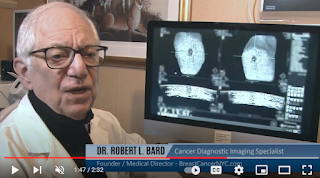
"Are You Dense?" Foundation Co-founder Joe Cappello joins the medical diagnostic community to promote the "Get Checked Now!" campaign. Dr. Robert Bard from the Bard Cancer Center (NYC) supports supplemental imaging including the 3D Doppler Ultrasound scanner to offer dense breast detection.  This video presents some of the latest advancements in ultrasound features to detect tumors through dense breast tissue- reportedly a significant challenge with mammograms. 

THE LEGACY OF DR. NANCY CAPPELLO
In 2014, Imaging Technology News (ITN) introduced breast cancer survivor-turned-crusader Dr. Nancy Cappello and her story about having dense breast tissue leading to a late-stage cancer.  A false negative mammography scan (diagnosed in 2004) concealed a large 2.5 cm suspicious lesion, which was later confirmed to be stage 3c breast cancer.  This same cancer had metastasized to 13 lymph nodes. This sparked Dr. Cappello to create the "Are You Dense?" Foundation- an international awareness crusade to better support dense breast diagnostics and initiatives pass legislation to enact laws requiring mammography centers to inform patients about their breast density and the associated cancer risks. Dr. Cappello passed away on Nov 15, 2018, from secondary myelodysplastic syndrome (MDS), a bone marrow cancer that was a complication of her prior aggressive breast cancer treatments.  But she ignited a legacy of fighting for improved policies, imaging technologies and advanced research to better address this health crisis that puts the est. 40% of the female population (women with dense breasts) at risk of a false negative reading.


Sunday, September 24, 2023

Epigenetic Research Notes: Profiling the Dense Breast Paradigm (part 1)

Written by: Dr. Roberta Kline

As an Ob-Gyn physician and genomics specialist, I have spent the better part of 10 years translating research in the genomic and gene expression areas into clinically usable information for healthcare professionals. One of the biggest challenges we face when connecting research with patient care is the long delay in the translation process and dissemination of the information. It often takes 10 to 20 years for information (validated findings) that comes out of research to be applied in clinical practice. These delays result in many lost opportunities to provide better care for our patients. This is one of the reasons why I'm really passionate about accelerating this process and making it easier for clinicians and their patients to take advantage of cutting-edge information and new technologies. 

LINKING DENSE BREAST WITH BREAST CANCER
We have known for a very long time that there is an increased risk of breast cancer for women who have dense breasts. Until recently, the research has been lagging in terms of what's the molecular mechanism, why do dense breasts present an increased risk of breast cancer? Without this knowledge, we can’t address the root causes, and are left with a lot of trial and error based on incomplete understanding. 

It's very encouraging to know that currently there are 124 clinical trials ongoing looking at dense breasts and the relationship with breast cancer, anywhere from improved diagnostics, to treatment, to prevention, and, what’s close to my heart, to understanding the molecular mechanisms - what's happening at the cell level, at the genetic level that is causing different women to have an elevated risk of breast cancer. 

One of the striking features that we're learning about dense breasts and what is creating that density is the microenvironment, which means the environment in the supporting tissue surrounding the glands. This includes fibroblasts and collagen. It seems that rather than estrogen being the dominant factor, it is inflammation that is creating the increased density of breast tissue. 


ESTROGEN VS INFLAMMATION
What's fascinating to me is that even though we associate estrogen with the primary means by which women develop breast cancer, it may be a different process for breast cancers linked to breast density. Some of the research that has just come out in the last few years is showing us that rather than being hormonally driven, we think what's happening is there is an increase in these inflammatory markers in the tissue that is denser, and this is what can also lead to cancer.

There is clearly a genetic, or hereditary component, because having dense breasts is noted to run in families. But while having dense breasts increases a woman’s risk of breast cancer by up to 4-6x, not all of these women actually get cancer. That means there are other factors that can potentially increase as well as reduce a woman’s risk. This is where genomic research has been a gamechanger in identifying these other factors including for women with inherited genetic mutations, such as BRCA. 

We now know that there are multiple genes in multiple other pathways that can modify a woman’s risk of breast cancer even if she carries a BRCA mutation. [1]. Researchers have identified smaller changes in genes called SNPs (single nucleotide polymorphisms) that have a much lower individual impact than genetic mutations, but together can be additive.[2] In fact, women with specific patterns of SNPs had their risk of breast cancer significantly reduced. This can help explain why not all women with BRCA mutations get cancer, and provides insight into potential protective biological mechanisms.

This is a really powerful paradigm shift, because now it opens the door for truly individualizing each woman’s risk – and potentially being able to change it through diet, lifestyle, or other modalities.

We now are also learning that gene SNPs can also play a role in a woman’s risk for dense breasts and breast cancer. While there's much research that needs to be done, from my experience, there's a lot we can do already to potentially intervene and help women with dense breasts. As we wait for more definitive research, we can learn from the nutritional genomics and functional medicine realms. 

We have long known that pro-inflammatory conditions are underlying drivers for so many of the chronic diseases we see today, from cancer to heart disease, diabetes, autoimmune disease, depression and more. The flip side of inflammation is oxidative stress. They go hand in hand. Some of the genes that drive these processes are now also being linked to dense breasts and potentially the increased breast cancer risk that women with dense breasts have. 

My question is, why can't we use some of these dietary lifestyle and nutritional supplement interventions that we already know decrease many of these pro-inflammatory pathways? Why can't we start using those in clinical practice as we wait for research and clinical trials to better refine our knowledge?  The fact is, we can! But it takes education, awareness and advocacy to implement these strategies more widely and make a difference now.


Reference:

1) link to polygenic model – breast cancer, Lynch syndrome etc https://healthresourcedigest.blogspot.com/2022/03/the-future-in-personalized-medicine.html

2) Link to genetics/genomics https://modernhealing1.blogspot.com/2020/11/what-is-lynch-syndrome.html


2024 CLINICAL PROFILE OF THE DENSE BREAST PARADIGM - for the Obstetrics & Gynecology Society 
Written by: Roberta Kline, MD
Published by ICRS Medical Press Ltd.


Breast cancer affects the lives of hundreds of thousands of women every year and is a leading cause of death.  While we have made great progress in advancing earlier diagnosis and more individualized treatments, we still need to improve our approach to achieve our ultimate goal - prevention. This requires a deeper understanding of the molecular mechanisms and the multitude of factors that contribute to the development of breast cancer.  

Dr. Roberta Kline, recognized speaker and publishing crusader for women's health brings you a comprehensive review and a deep-dive analysis of the current research  findings about breast density and its major risk factors for breast cancer.  Her reports uncover current imaging practices and clinical protocols updated in great support of breast density detection and the means of addressing this growing condition that affects over 45% of the female population. "Knowing a woman has greater breast density is a critical first step, but it doesn’t end there... we need to go further by understanding the causes of breast density, and how they relate to breast cancer-- we now have another avenue to proactively intervene to reduce risk or even prevent breast cancer in the first place."  This textbook is a champion in targeting the Dense Breast Paradigm as a blueprint and a clear course study for all clinical professionals who are dedicated to women's early detection and prevention programs. (More information)


LAUNCHING IN 2024: NATIONAL COALITION OF WOMEN'S HEALTH SUPPORT
Professional health orgs, foundations and advocates of women's health disorders (primarily cancers) is uniting to form a national alliance of collaborators. This collective group is focused on "doing more together" as far as exploring new resources, sharing current ideas and addressing a wide range of topics about women's issues. Meetings like our latest Women's Powermeet series discussed the latest in diagnostic and therapeutic solutions while introducing who's who in national crusadership in the advocacy realm. Clinicians are also welcome to discuss patient-dedicated road maps and a more thoughtful health analysis and research-based evaluation. It is this level of commitment to women's health that provides a deeper sense of care for the patient that lends itself to a more holistic and integrative strategy to therapeutics. It is also this philosophy that draws more intuitive and insightful awareness on a global scale to offer collaboration platforms too better share insights on a patient's disorders to seek out better solutions. (See Women's Health Digest)


FOR IMMEDIATE RELEASE

PROCLAMATION: 9/27 Is World Dense Breast Tissue Day

9/19/2023- Mr. Joe Cappello, co-founder of the "Are You Dense?" Foundation was invited to attend the Santa Clara County Board of Supervisors meeting at County Government Center to receive an official proclamation by Santa Clara County Supervisor (and former California State Senator) JOE SIMITIAN, officially confirming September 27 as World Dense Breast Tissue Day.  According to Mr. Simitian, this proclamation was sparked by earlier discussions about the late Nancy Cappello who passed away of breast-cancer related complications from dense breast tissue.  "(Nancy's) own life experience... said others should have more power, more knowledge, more ability to affect the decision making in their own healthcare. For this, we are a better state, a better county, and in fact a better nation by virtue of her work."

To date, Joe Cappello continues to build and promote educational programs supporting research, clinical upgrades and improved scanning/monitoring programs.  The "Are You Dense?" Foundation and "Are You Dense?" Advocacy are produced by the Cappellos in pursuit of saving lives through awareness through uniting with community leaders, clinical professionals and public recognition off the continued risks of having dense breast tissue.

TRANSCRIPT OF PROCLAMATION: 9/19/2023

County of Santa Clara Board of Supervisors


SPEAKER: Santa Clara County (CA) Supervisor Joe Simitian- District 5

Thank you, Madam President. And I'm going to look to the clerk to see if we can bring Mr. Joe Cappello from “Are You Dense?” in Connecticut up on the screen. 

Colleagues and members of the public, you'll recall of course that just last week, we adjourned our meeting in memory of Nancy Cappello, who passed away almost five years ago now. And it provided an opportunity for our board to reflect on Nancy's extraordinary work over literally decades. We also took the opportunity at our last meeting to express our formal support for the Find It Early Act which is an effort at the national level congressional level to take the next step in terms of addressing the cancer risk of women with dense breast tissue. Today, we are calling out the formal acknowledgement of World Dense Breast Tissue Day. And the reason for that, Joe, and colleagues and members of the public is to ensure that we take advantage of this opportunity to identify September 27th as World Dense Breast Tissue Day, so that members of the public will have the information, the knowledge, the power that Nancy Cappello thought they were entitled to all those years ago.

And as we have discussed previously (so I won't speak at quite substantial length today) this is information that patients need to have. They are now entitled to have it by law.  That entitlement is in large measure, a function of the fact that Nancy Cappello took her own life experience and said others should have more power, more knowledge, more ability  to affect the decision making in their own healthcare. For this, we are a better state, a better county, and in fact a better nation by virtue of her work.  Joe, if you were here, I would have you up to the podium and I would hand you the physical commendation. But by virtue of our virtual connection today, I will virtually present it to you and we will send you the physical commendation and I hope it will find a place at “Are You Dense?”. 

I'm guessing that your screen-... It doesn't reveal it, but I am wearing on my lapel the “Are You Dense?” button which I wore all those years ago when I was privileged to work with Nancy and the organization on California law. With that, Madam President, I say thank you to our board, and to my colleagues for their support on this measure and through the chair. With your permission, I'd like to give Mr. Cappello an opportunity to say a brief word or two.


Guest Speaker: JOE CAPPELLO

Well, thank you, Supervisor Simitian. As I said before, it's a real pleasure. I finally got to meet the other Joe in Nancy's life. And believe me, she always had kind words to say about you, and you were always a standup guy. You were the one that she could count on for honesty and truthfulness when we were doing our legislative work in California.  What we have now is a disclosure law, which is a national law, which will take effect a year from now.  This is huge step for the health of women all over this nation. What it's going to do is standardize (diagnostic care) in the medical field for women with dense breasts. I thank you in the name of Nancy for the proclamation. She deserves it all. She worked hard and worked smart. She was not only prettier than me, <laugh>, but smarter than me. And, I thank you on her behalf. I appreciate that. Thank you.

The Board of Supervisors of the County of Santa Clara, CA regularly meets in the Board of Supervisors’ Chambers, County Government Center, 70 West Hedding Street, San Jose. Regular meetings are held on designated Tuesdays at 9:30 a.m. The Board also holds regular meetings for the purpose of adjourning into Closed Session on Mondays at 2:00 p.m., which may be combined with meetings scheduled for the presentation of ceremonial items to be heard at 4:00 p.m.


Tuesday, September 19, 2023

A NEED TO STANDARDIZE SCREENING WITH DENSE BREAST SCANNING


RUNNING THE TORCH OF A DENSE BREAST CANCER CHAMPION
Dr. Noelle Cutter drives the spirit of Dr. Nancy Cappello's mission for early cancer detection for women with dense breasts alongside Dr. Robert Bard's dense breast screening pilot program (8/27-29) - and the global pursuit to expand current screening standards.

What Does It Mean to Have Dense Breasts?


A mammogram shows how dense your breasts are. When you get the results of your mammogram, you may also be told if your breasts have low or high density. Women with dense breasts have a higher risk of getting breast cancer.


PARTS OF THE BREAST
A woman’s breast has three kinds of tissue: FIBROUS TISSUE holds the breast tissue in place.  GLANDULAR TISSUE is the part of the breast that makes milk, called the lobes, and the tubes that carry milk to the nipple, called ducts. Together, fibrous and glandular tissue are called fibroglandular tissue.  FATTY TISSUE fills the space between the fibrous tissue, lobes, and ducts. It gives the breasts their size and shape.

BREAST CANCER RISK: Women with dense breasts have a higher chance of getting breast cancer. The more dense your breasts are, the higher your risk. Scientists don’t know for sure why this is true. Breast cancer patients who have dense breasts are not more likely to die from breast cancer than patients with non-dense (fatty) breasts.


7/8/2021- A wave of recognized medical sites, journals and reports  are now indicating that dense breast tissue increases the risk of developing breast cancer and often masks a tumor from being seen on the mammogram since dense tissue is white and cancerous tissue is also white. Mammograms are the standard screening test for breast cancer, however, in the 21st Century, ultrasound non invasive imaging is the preferred exam for dense “lumpy” mammary disease.   

The 1st World Conference of Breast Ultrasound in Philadelphia (1979) recognized ultrasound superiority in dense breast diagnostics but the density level was never quantified until recently. Mammography assessment of breast density is graded into four categories. Mammographers readily admit that these levels are subjective at best and technical factors such as mammary tissue compression and x-ray voltage/amperage dramatically influence the darkness or whiteness of the image.


URGENCY IN THE EVOLUTION OF TECHNOLOGY & IMAGING STRATEGIES FOR DENSE BREASTS

Written by: Dr. Robert L. Bard

Decades since the advent of breast scanning technology, innovations in non-invasive diagnostic imaging provide new options in the field of early detection. These technologies directly align with breast density screening (and are part of the Bard Breast Density Diagnostic Program) include:

• Doppler blood flow
• Contrast enhanced ultrasound vascularity 
• 3D Vessel Density Histogram 
• 4D Volumetric Density Histogram
• Strain and shear wave tissue Elastography 
• 3T MRI 
• Optical Computed Tomography (OCT) for nipple lesions
• Reflectance Confocal Microscopy (RCM)  for dermal invasion
• Hybrid Mammo Imaging Fusion
 Thermo-sensor
 Trans Illumination
 Near Infrared Specroscopy

Hybrid imaging refers to combining diagnostic modalities to assess disease and monitor therapy. A useful combination of options is the tumor vessel flow density to assess aggression and treatment progress. Similarly, tissue elastography is useful for border detection of malignant masses.


FOR COMPLETE DETAILS ON THIS PROGRAM, VISIT: http://breastcancernyc.com/